
Mount collecting has grown from a simple cosmetic pursuit into one of the most emotionally layered experiences in the game. For many players, mounts are more than trophies — they are milestones, memories, symbols of identity, and testaments to persistence. Each mount tells a personal story, whether earned through rare drops, long-term reputation grinds, or unexpected discoveries. Over time, collecting mounts has evolved into a psychological journey shaped by curiosity, pride, nostalgia, and the quiet satisfaction of completing a long-term goal.
This article explores why mount collecting resonates so deeply with dedicated players, and why it continues to inspire passion across expansions.
The Emotional Ties Players Form With Their Mounts
Mounts serve as companions, memories, and markers of personal journey. Players associate certain mounts with specific expansions, triumphs, or friendships. The mount you earned during a grueling dungeon grind holds different meaning than one purchased casually from a vendor. Over time, collections transform into emotional archives — each entry representing a moment worth remembering.
Mounts give physical form to progress and perseverance.
Rarity, Challenge, and the Satisfaction of Earning Something Hard
Many of the most sought-after mounts are difficult to obtain. Low drop rates, limited-time events, complex achievement chains, and high-difficulty encounters create emotional arcs tied to effort. The frustration of repetition eventually gives way to exhilaration when success finally arrives. These emotional swings make the experience feel meaningful rather than routine.
To illustrate why difficulty deepens attachment, here is a simple breakdown of mount types and emotional impact:
| Mount Type | Effort Required | Emotional Reward |
|---|---|---|
| Low-drop raid mounts | Long-term repetition | Triumph over persistence |
| Achievement mounts | Skill and coordination | Pride in mastery |
| Reputation mounts | Daily time investment | Satisfaction from consistency |
| Event-exclusive mounts | Timing and opportunity | Nostalgic value |
| Exploration mounts | Curiosity and discovery | Joy of finding the unexpected |
The Psychology of Collection and Completion
Collecting taps into fundamental psychological patterns. Checking off a new mount creates a sense of completion that encourages players to continue. The growing collection offers visible progress, reinforcing motivation. Even the search for the next mount generates anticipation and keeps the experience feeling fresh. This loop of effort, reward, and renewed purpose creates a deeply satisfying hobby.
Mount collecting becomes a personal quest rather than a checklist.
Identity Through Aesthetics and Choice

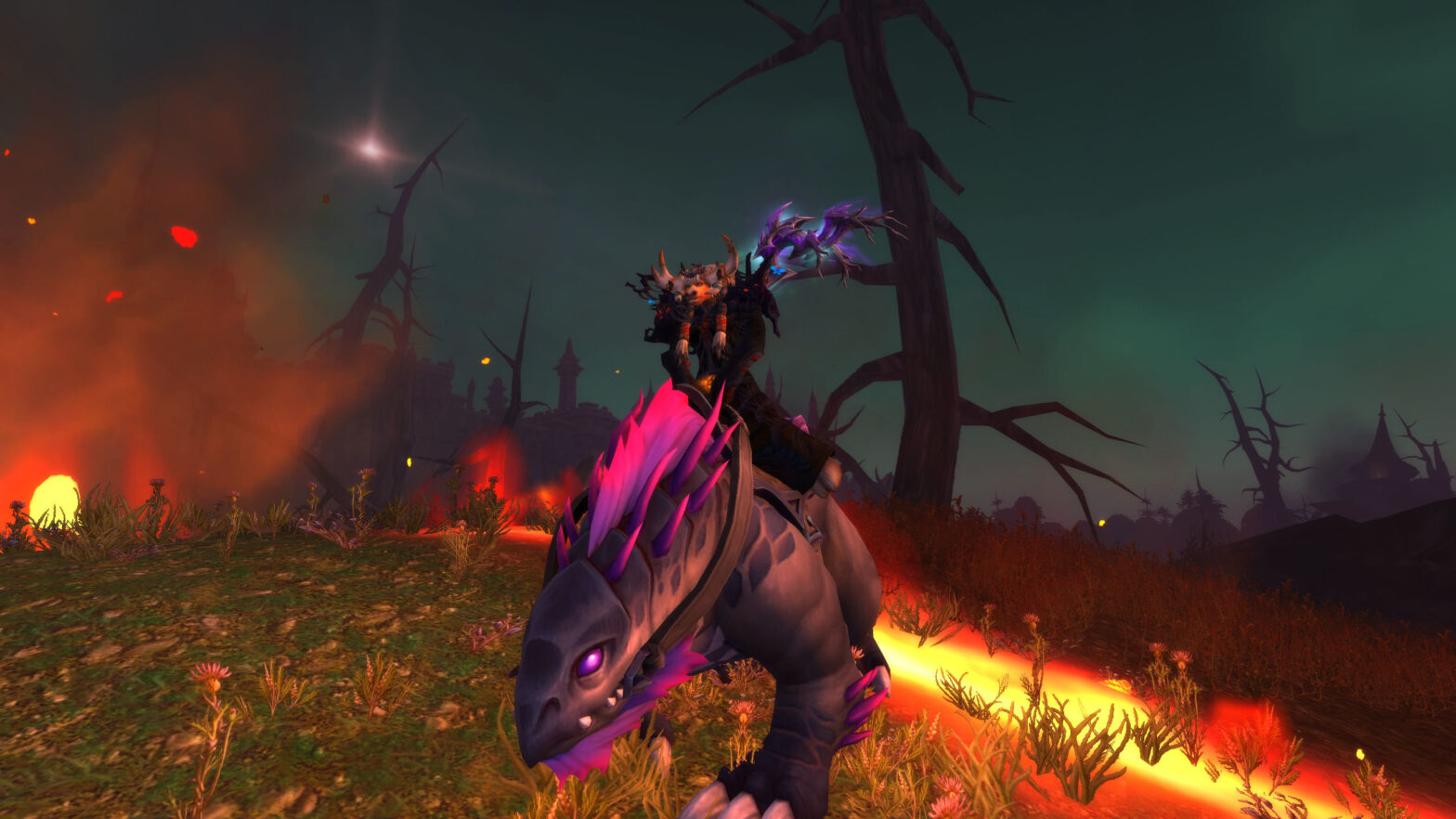
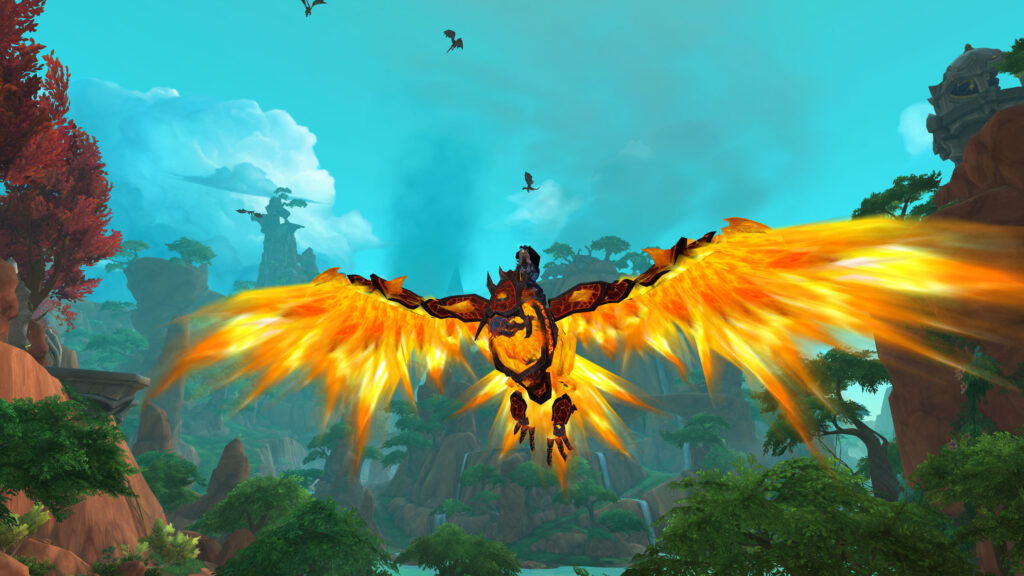
Mounts express personality and playstyle. Some players prefer fierce drakes or war machines, while others gravitate toward elegant creatures or whimsical designs. The mount chosen for everyday travel becomes part of character identity, showcasing emotion, history, or mood. This personalization turns collections into reflections of who players feel they are within the world.
A player’s favorite mount often says more than their gear ever could.
Why This Journey Still Matters
The psychological appeal of mount collecting endures because the experience is intimate and personal. It grows with each expansion, offering fresh goals and new stories that enrich old memories. Even players who step away often return to continue their pursuit, drawn by the satisfaction of discovery, challenge, and emotional connection. Mount collecting remains one of the most expressive and enduring journeys available.
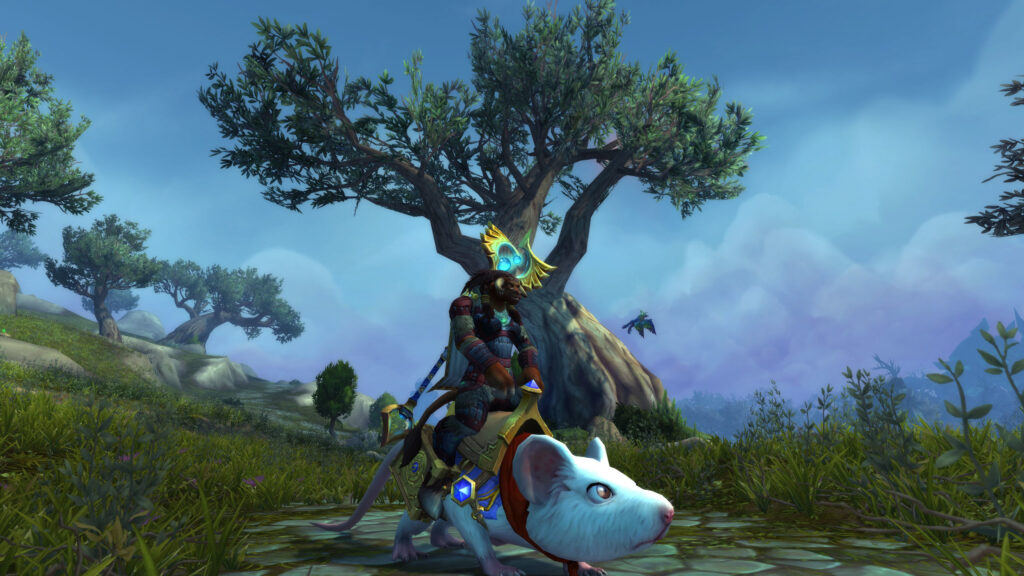
Collecting mounts is collecting memories — one ride at a time.
Conclusion
Mount collecting evolved into a psychological journey defined by emotion, identity, perseverance, and discovery. It offers players a long-term sense of purpose and a deeply personal way to shape their adventure. Through challenge, rarity, and beauty, mounts transform from mere rewards into lasting symbols of the player’s story — each one carrying its own meaning in the ever-growing collection.

Leave a Reply