


Dungeon mastery in World of Warcraft rarely arrives through a single perfect run. Instead, it forms slowly through repetition—running the same routes again and again until movement, positioning, and pacing become instinctive. These repeated paths shape how players understand dungeons, turning unfamiliar spaces into deeply learned environments.
This article explores how repeated dungeon routes build mastery and why familiarity remains one of the strongest forms of progression.
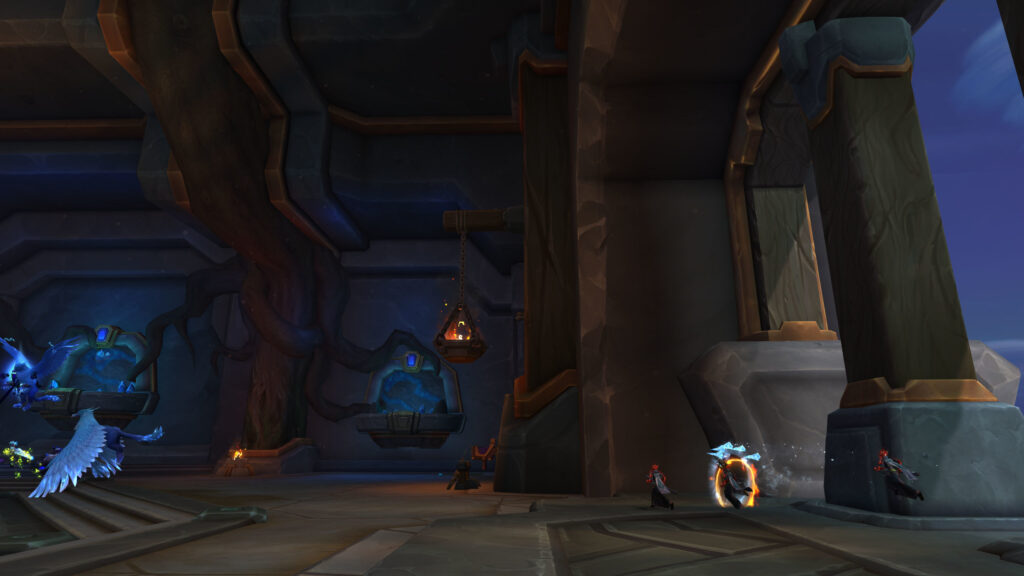
From Navigation to Muscle Memory
Early dungeon runs demand attention to every corner, patrol, and pull. Over time, routes stop requiring conscious thought. Players move automatically, anticipating enemy placement and environmental hazards without hesitation.
This shift from awareness to instinct frees mental space for higher-level decision making.
Learning Through Consistent Structure
Repeated routes provide a stable framework for improvement. When the environment stays consistent, players can measure progress clearly. Small optimizations stand out, making growth tangible.

Consistency turns repetition into refinement rather than monotony.
How Repetition Builds Different Layers of Mastery
Each pass through a dungeon reinforces multiple skills at once. Mastery develops in layers rather than all at once.
| Repetition Focus | Skill Developed | Resulting Benefit |
|---|---|---|
| Enemy placement | Anticipation | Smoother pulls |
| Movement paths | Positioning | Reduced downtime |
| Pull timing | Rhythm control | Stable pacing |
Confidence Grows With Familiarity
When players know exactly where they are going, hesitation disappears. Confident movement reassures the group and keeps momentum intact. Mistakes still happen, but recovery becomes faster.

This confidence often matters more than raw damage or healing output.
Why Familiar Routes Stay Engaging
Even after dozens of runs, familiar routes remain engaging because players refine details rather than relearn basics. Each run becomes an opportunity to execute more cleanly.
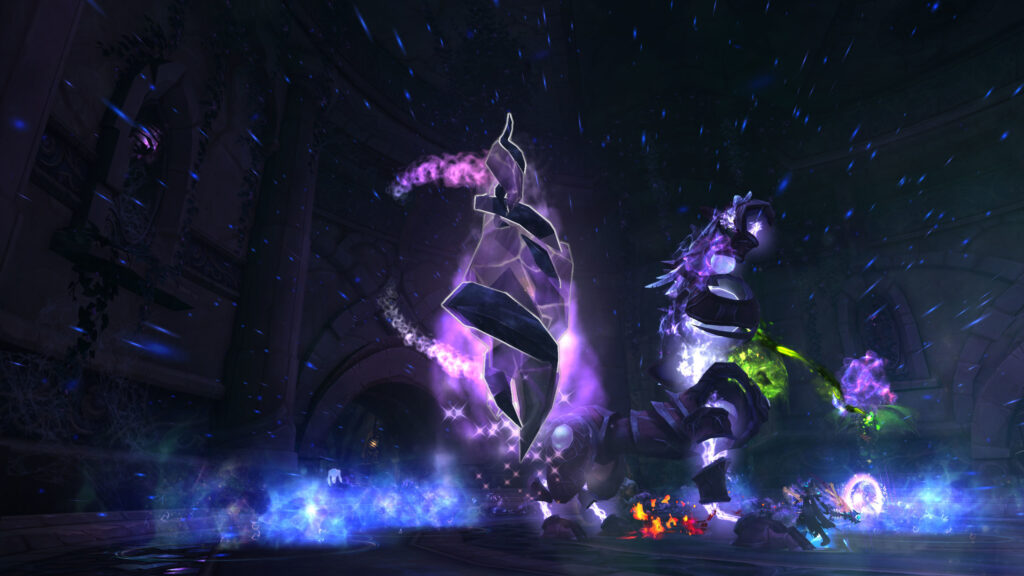
Mastery transforms repetition into satisfaction.
Conclusion
Repeated dungeon routes quietly shape player mastery. Through familiarity, instinct, and steady refinement, dungeons become spaces of confidence rather than uncertainty. This process turns repetition into growth, anchoring dungeon gameplay as a long-term skill-building experience.

Leave a Reply